Shop the Perimeter Like a Prescription: A Four-Goal Route Through Your Local Kroger
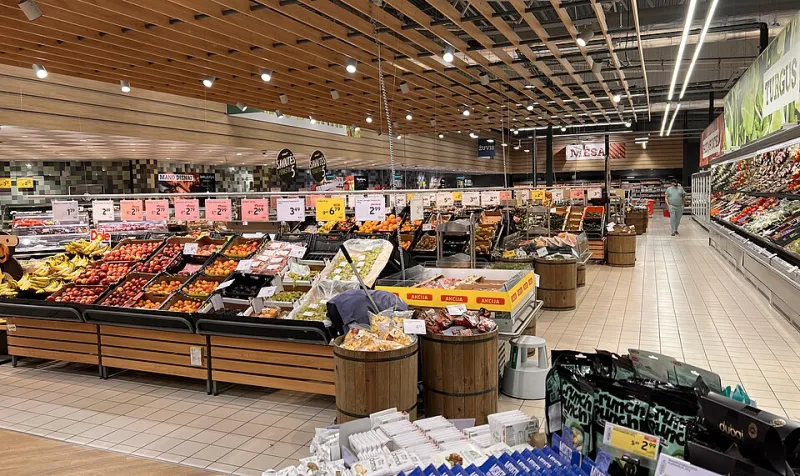
Photo: Bdx, CC0, via Wikimedia Commons
Walk into any grocery store in America and you'll notice the same architecture: produce, dairy, meat, and seafood hugging the walls, with the packaged stuff stacked in the middle like a moat you have to cross. Retailers designed it that way on purpose. What most shoppers miss is that the perimeter layout also happens to map almost perfectly onto the four health outcomes people spend billions chasing in pill form: blood pressure, inflammation, gut health, and energy.
So let's flip the script. Instead of shopping by habit — cereal here, frozen pizza there, whatever's on the endcap — shop by goal. Here's the route.
Stop One: Produce, For Your Blood Pressure
Start in produce and head straight for the potassium-and-nitrate heavy hitters. Leafy greens like spinach and arugula deliver dietary nitrates that your body converts to nitric oxide, which relaxes blood vessel walls. Bananas, potatoes, and oranges bring the potassium that helps your kidneys flush excess sodium — the same mechanism several blood pressure medications target, just at a gentler dose.
The research on produce-first eating for hypertension is genuinely strong. DASH-style diets, built around whole foods rather than any single nutrient, rival medication effects for some people with elevated readings. No supplement capsule has come close to that track record.
Cart targets: spinach, beets, bananas, avocados, sweet potatoes.
Stop Two: The Seafood and Meat Counter, For Inflammation
Next, swing along the back wall to the seafood case. Fatty fish — salmon, sardines, mackerel — supply EPA and DHA, the omega-3 fats your body uses to resolve inflammatory processes. Here's the part supplement brands don't advertise: fish-derived omega-3s come packaged with selenium, vitamin D, and complete protein, a matrix that fish oil capsules can't replicate. Meta-analyses of whole-fish consumption keep showing cardiovascular benefits that fish oil pills have struggled to match in large trials.
If fish isn't your thing, the same wall usually holds poultry and lean cuts. Skip the deli counter's processed options — those are the one section of the perimeter that works against your goals.
Stop Three: Dairy and Fermented Foods, For Your Gut
Down the dairy aisle, you're hunting live cultures. Yogurt with "live and active cultures" on the label, kefir, and even fermented cottage cheese introduce beneficial bacteria to your gut microbiome. Meanwhile, the fiber from Stop One acts as the fertilizer those bacteria eat — prebiotics and probiotics in one cart.
Compare that to the probiotic supplement aisle, where a 2023 review found many products list unverified strains at unverified doses. A tub of kefir costs about the same as one bottle of capsules and comes with protein, calcium, and a nutrition facts label you can actually read.
Stop Four: Bulk Bins and Oats, For All-Day Energy
Before you leave the perimeter loop, grab slow-digesting carbohydrates: steel-cut oats, brown rice, dried lentils. These stabilize blood glucose and keep your 3 p.m. crash at bay — the same benefit people chase with energy drinks and B-complex supplements, minus the spike and subsequent slump.
The Middle Aisles: Treat Them Like the Pharmacy Checkout
Every pharmacy funnels you past impulse buys at the register. The center of your supermarket works the same way — shelf after shelf of ultra-processed snacks engineered to be irresistible. That doesn't mean it's all bad: olive oil, canned beans, frozen vegetables, and plain canned tuna live in the middle too and earn their place. The rule is simple — enter the center aisles with a specific item on your list, grab it, and get out. Wandering is where the cart goes sideways.
Your Printable Route
- Produce (blood pressure): leafy greens, beets, bananas, citrus
- Seafood/meat wall (inflammation): salmon or sardines, lean poultry
- Dairy (gut health): kefir, live-culture yogurt
- Bulk/whole grains (energy): oats, lentils, brown rice
- Center aisles, list-only: olive oil, canned beans, frozen veggies
- Skip: the supplement-adjacent snack endcaps
Why Food-First Usually Wins
Nutrients in whole foods arrive with cofactors, fiber, and food matrices that change how they're absorbed and used. Isolating one compound into a pill often strips away the very things that made it work. Add in the cost gap — a week of produce and fish versus a month of capsules — and the case gets hard to argue with.
Your grocery store already stocks most of what the wellness industry is selling you. You just needed a route.