Skip the Supplement Aisle: Your Supermarket Already Stocks the Good Stuff
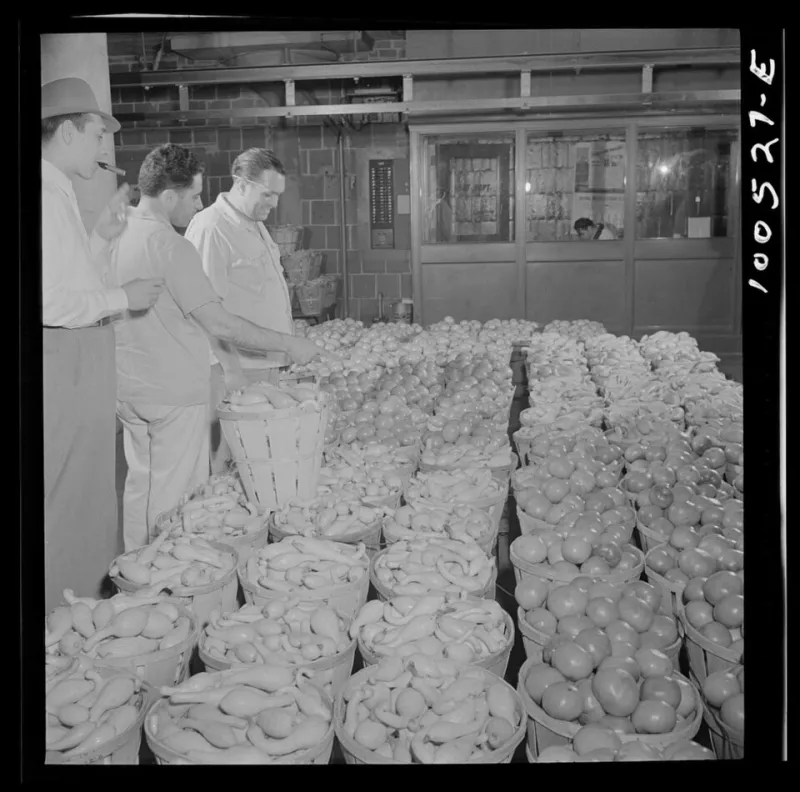
Photo: Marjory Collins, Public domain, via Wikimedia Commons
Somewhere in America right now, someone is paying $48 for a bottle of beet powder while the actual beets sit in the produce section for $1.29 a pound.
It's a strange economy we've built. The wellness industry packages single ingredients into capsules, powders, and gummies, then charges you a convenience tax for the privilege. Meanwhile, the original versions — the ones with actual fiber, actual texture, and decades of human trials behind them — wait patiently on shelf three.
So we did something a little nerdy: we went through the peer-reviewed literature and graded ordinary grocery staples the way a pharmacist might grade a prescription. What does it treat? What's the effective dose? And is the evidence actually strong, or just strong-sounding on a podcast?
Here's the shelf talk.
Beets: The Blood Pressure Script
Grade: A-
Beets are rich in dietary nitrates, which your body converts to nitric oxide — a molecule that relaxes blood vessels. Multiple randomized trials, including meta-analyses published in journals like Nutrition Reviews, show beetroot juice can lower systolic blood pressure by roughly 4 to 8 mmHg in adults with elevated readings. That's in the same neighborhood as some first-line medications.
The dose: About 250–500ml of beet juice, or the nitrate equivalent (roughly two cups of whole beets or a heaping pile of arugula, which is also nitrate-rich).
The catch: The effect is real but ongoing — it fades if you stop eating nitrates, so think of this as a daily habit, not a one-time fix. And if you're already on blood pressure meds, talk to your doctor before stacking the two.
Kefir: The Fermented Underdog
Grade: B+
Yogurt gets the marketing budget, but kefir is arguably the stronger ferment. It typically contains a wider variety of bacterial and yeast strains than standard yogurt, plus a solid hit of protein, calcium, and vitamin B12. Small clinical trials suggest modest improvements in lactose digestion, glycemic control, and even some inflammatory markers — though the research is younger and smaller than the beet data.
The dose: One cup a day. It's widely available in most US grocery stores now, usually near the yogurt or in the natural foods cooler.
The catch: Flavored kefir can carry 15+ grams of added sugar per serving. Buy plain, add your own fruit, and you've dodged the biggest downside.
Oats: The Cholesterol Workhorse
Grade: A
This is one of the rare foods where the FDA itself allows a health claim. Oats contain beta-glucan, a soluble fiber with a well-documented ability to lower LDL cholesterol — typically 5 to 10% with consistent intake. The mechanism is elegant: beta-glucan forms a gel in your gut that binds bile acids, forcing your liver to pull cholesterol from your blood to make more.
The dose: At least 3 grams of beta-glucan daily, which translates to about one and a half cups of cooked oatmeal. A packet of instant oats counts; so does overnight oats, so does the steel-cut kind.
The catch: A granola bar with "oats" on the label is not the same thing. Check that you're getting actual oat content, not oat-adjacent marketing.
Canned Sardines: The Boring Superfood
Grade: A
Sardines might be the best value in the entire store. For around $2 a tin, you get omega-3 fatty acids (EPA and DHA), 20+ grams of complete protein, vitamin D, calcium (if you eat the soft bones — you should), and selenium. The omega-3 evidence for cardiovascular health has gotten more nuanced over the years, but the case for sardines was never just about one nutrient. It's the whole low-mercury, high-nutrient-density package.
The dose: Two to three servings of fatty fish per week, per the American Heart Association. A tin a few times a week gets you there.
The catch: Sodium. Some brands pack 400mg+ per serving. Look for varieties packed in water or olive oil, and rinse if you're watching salt.
Tart Cherries: The Recovery Gimmick That Isn't
Grade: B
Yes, tart cherry juice is a sports-nutrition cliché. But unlike most recovery products, it has randomized trials behind it — studies showing reduced muscle soreness and faster strength recovery after hard exercise, likely thanks to anthocyanins. There's even emerging (mixed) evidence on sleep, since cherries contain small amounts of melatonin.
The dose: About 8–12 ounces of tart cherry juice, or a concentrated shot, in the days around a hard workout.
The catch: It's sugar — roughly 25 grams per cup. If your goal is fat loss, that's a real calorie cost for a modest recovery edge. Save it for genuine training blocks.
Lentils: The Fiber Gap Filler
Grade: A-
Most Americans get about half the recommended daily fiber, and fiber intake tracks with lower risks of heart disease, type 2 diabetes, and colorectal cancer. Lentils are the cheapest, easiest fiber delivery system available: about 15 grams per cooked cup, plus plant protein and iron.
The dose: Half a cup a day gets you meaningfully closer to the 25–38 gram target.
The catch: Ramp up slowly unless you enjoy making your coworkers aware of your presence.
The Honest Bottom Line
None of these foods are magic, and none of them will outmuscle a terrible overall diet. But that's kind of the point: the strongest clinical evidence in nutrition mostly points at boring, cheap, unglamorous foods eaten consistently — not exotic powders at boutique prices.
Your pharmacy is open until 10 p.m. It just doesn't advertise.