Nine Grocery Items That quietly Replace a Whole Supplement Shelf
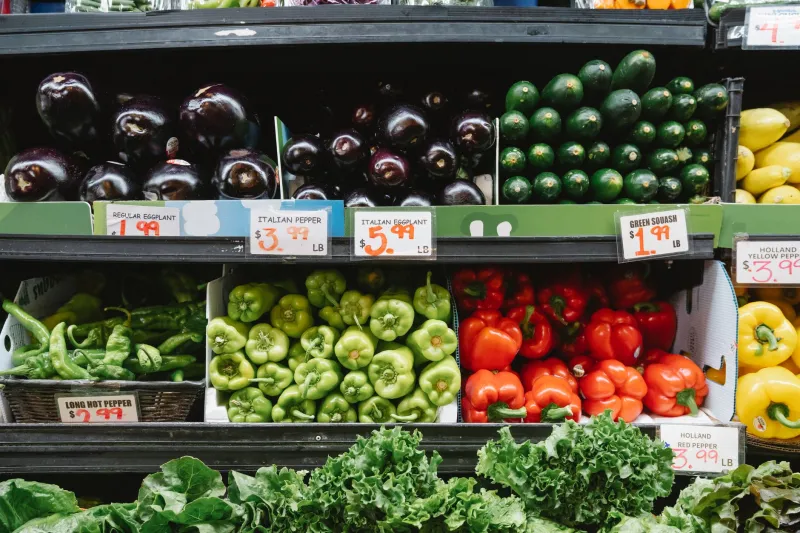
There's a peculiar math happening in American medicine cabinets. We pay $30 for a bottle of curcumin extract while a jar of turmeric sits in the spice rack untouched. We swallow omega-3 capsules by the handful while salmon goes on sale at the Kroger down the street. It's not that supplements are useless — it's that we've been paying premium prices for things the grocery store sells at a discount.
Let's run the numbers on nine of them.
The Turmeric Problem (and Why a Pepper Shaker Fixes It)
Curcumin, the star compound in turmeric supplements, has a dirty secret: your body barely absorbs it. Most supplement brands get around this by adding piperine (black pepper extract) or a fat — which is exactly how turmeric has been used in cooking for centuries.
A 2021 review in Nutrients found that curcumin delivered alongside fat and pepper compounds showed meaningfully better bioavailability than isolated extracts in some formulations. Translation: turmeric whisked into a curry with coconut milk and black pepper isn't a lesser version. It's arguably the original version.
The swap: Ground turmeric costs roughly $0.03 per serving. A mid-range curcumin capsule runs $0.25–$0.60. Add black pepper and a little oil, and you've closed the absorption gap for a fraction of the price.
Fatty Fish vs. Fish Oil Capsules
Here's one where food wins more decisively than most people expect. A 6-ounce serving of salmon delivers about 3.5 grams of omega-3s (EPA and DHA combined), while a standard fish oil capsule delivers roughly 300–500 milligrams. You'd need seven to ten capsules to match one dinner.
There's also the matrix effect — the idea that nutrients packaged with protein, vitamin D, and selenium behave differently in the body than isolated compounds. The research on whole fish versus capsules isn't perfectly settled, but large observational studies consistently link fish consumption (not capsule consumption) with better cardiovascular outcomes.
The swap: Frozen salmon fillets run about $2.50–$4 per serving. Canned sardines and mackerel are even cheaper and often higher in omega-3s per dollar. Two fish meals a week covers the standard recommendation without a single capsule.
Magnesium: The Bottle You Can Probably Retire
Magnesium supplements are having a moment, and to be fair, many Americans do fall short of the recommended intake (around 400–420 mg for men, 310–320 mg for women). But the easiest fix isn't a tablet — it's a shopping list.
- Pumpkin seeds: 156 mg per ounce
- Chia seeds: 111 mg per ounce
- Almonds: 80 mg per ounce
- A cup of cooked black beans: ~120 mg
- A cup of cooked spinach: ~157 mg
A morning yogurt bowl with almonds and chia, plus a dinner with beans or greens, gets you most of the way there. The one caveat: people with diagnosed deficiencies or migraines under a doctor's care may genuinely benefit from a targeted supplement. Food first, but don't abandon prescribed treatments.
Vitamin D — The One Place the Capsule Wins
Honesty matters here. Very few foods contain meaningful vitamin D. Fatty fish and fortified milk help, but if you live north of, say, Atlanta and see limited winter sun, a vitamin D supplement remains one of the few bottles worth keeping. It's also among the cheapest, at pennies per day. This is the exception that proves the rule: supplement when food genuinely can't deliver.
The Rest of the Shopping List
| Instead of... | Buy... | Why it holds up |
|---|---|---|
| Curcumin capsules | Turmeric + black pepper + oil | Same compound, better absorption context |
| Fish oil | Salmon, sardines, mackerel | Higher doses, matrix effect, cheaper per gram |
| Magnesium tablets | Pumpkin seeds, beans, spinach | Covers 300+ mg across normal meals |
| Whey protein tubs | Greek yogurt, eggs, milk | 15–20 g protein per serving, plus micronutrients |
| Vitamin C packets | Bell peppers, kiwi, oranges | A cup of peppers has 3x an orange's vitamin C |
| B-complex pills | Eggs, lentils, nutritional yeast | Covers most B vitamins in real meals |
| Probiotic capsules | Yogurt with live cultures, kefir, sauerkraut | Live strains plus prebiotic fiber |
| Multivitamins | A varied produce-heavy cart | Whole-food nutrients come packaged with fiber |
| Melatonin gummies | Tart cherries, consistent light routine | Modest natural melatonin plus better sleep hygiene |
A One-Week Experiment
Pick three bottles on your shelf. For the next seven days, replace each with its grocery-store counterpart and track how you feel — energy, digestion, sleep. Then price it out. Most people who run this experiment discover two things: their grocery bill goes up slightly, and their supplement bill goes down dramatically. The net usually favors the cart.
Supplements earn their place when they fill a real, identified gap. But as a default strategy, they're an expensive detour around the produce section. Your pharmacy has an aisle for that — and it accepts your regular grocery budget.